Founded in 1909
Canton nº 10 of San José, created on 4 June 1909 by Law nº 58. Five districts: Alajuelita, San Josecito, San Antonio, Concepción and San Felipe, in just 21 km².
Beyond the code
A résumé is more than a stack. This is where I come from and the events that shaped me before the first job.
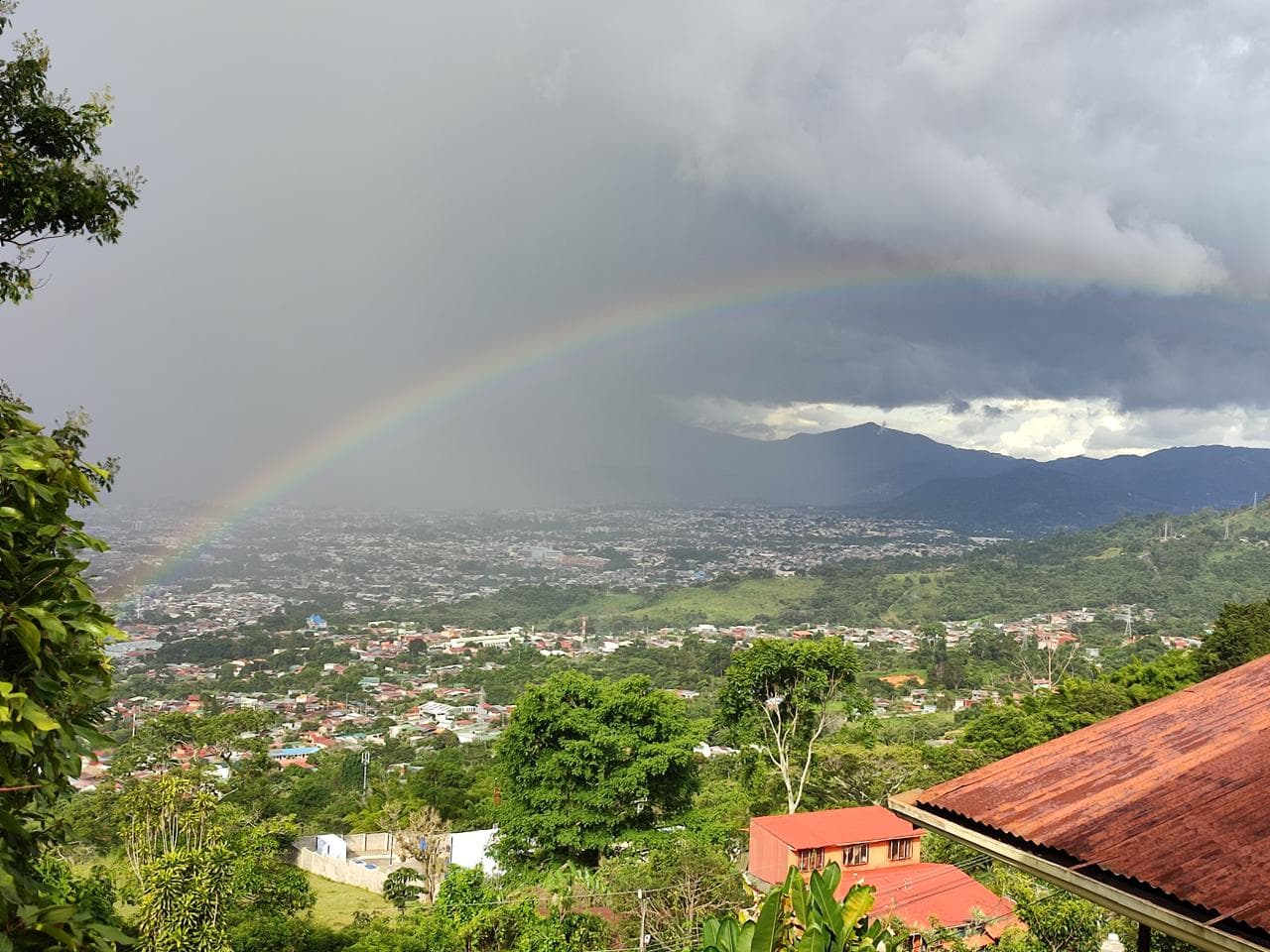
Roots
AlajuelitaSan José, Costa Rica9.9° N, 84.1° W
I come from Alajuelita, a small canton on the southern hills of San José that from 2009 to 2013 ranked last in Costa Rica's cantonal Human Development Index. It is a place people usually hear about because of poverty or violence, not because of who grows up there.
I am proud of where I come from and of what I have achieved so far. Growing up there taught me to work hard for everything, to value people over titles and to stay grounded. Those childhood experiences are what make me different, and I will always carry them with me.
Canton nº 10 of San José, created on 4 June 1909 by Law nº 58. Five districts: Alajuelita, San Josecito, San Antonio, Concepción and San Felipe, in just 21 km².
The name is most likely an affectionate diminutive of Alajuela, the province where most of the first settlers came from. Records call the village “Lajuelita” in 1799 and “Alajuelita” from 1806.
From 2009 to 2013 Alajuelita sat last of Costa Rica's 81 cantons in the Cantonal Human Development Index (PNUD/UCR Atlas). It has climbed since: 50th by 2020.
Close to 90,000 people live on the slopes of the Cerros de Escazú: more than 4,000 per km², which makes Alajuelita one of the most densely populated cantons in the country.
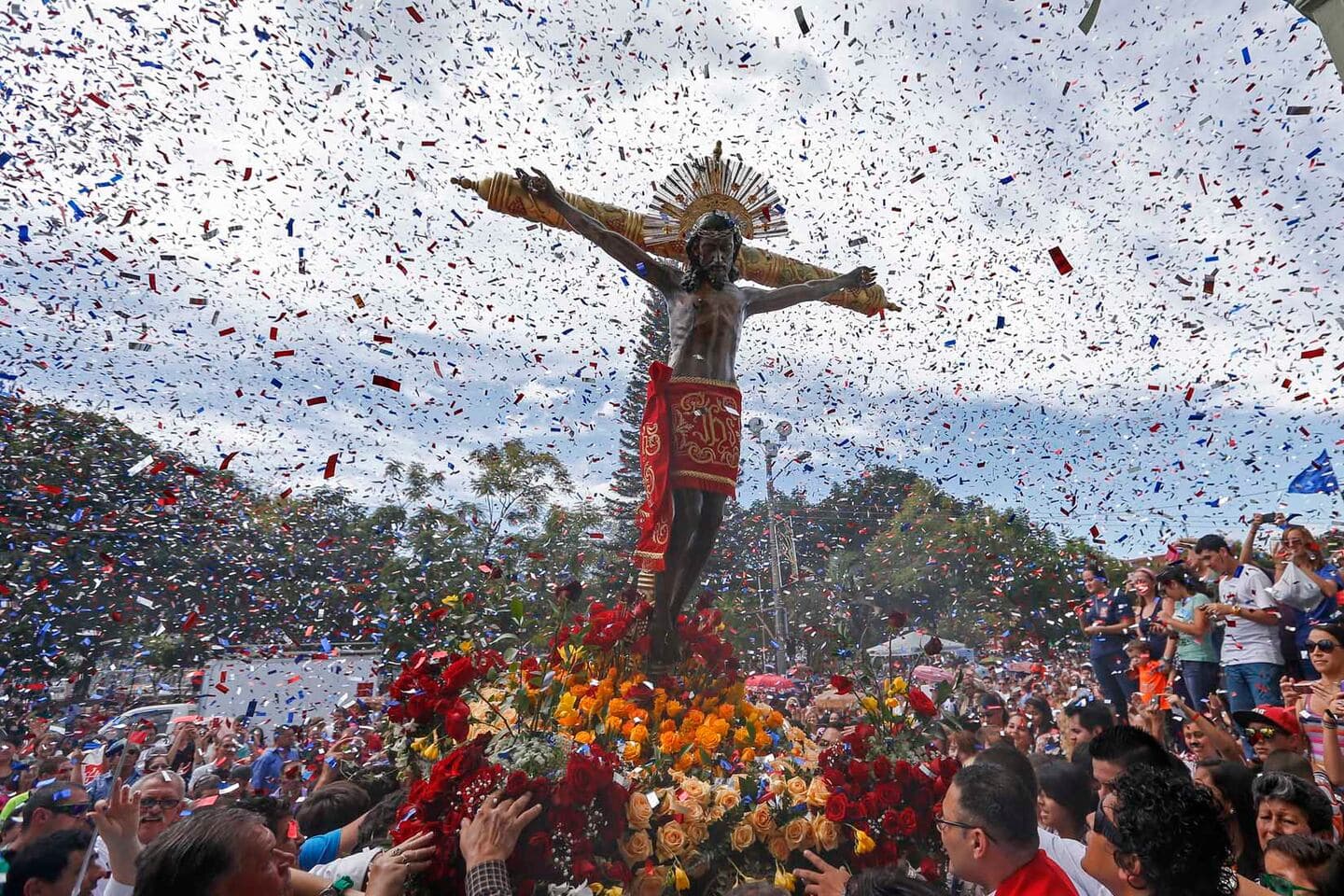
Every 15 January the whole canton celebrates its patron, “El Negrito”. The devotion dates back to 1815, and thousands of pilgrims walk to the sanctuary after a novena, fireworks and the procession of the red ribbons (“las medidas”).
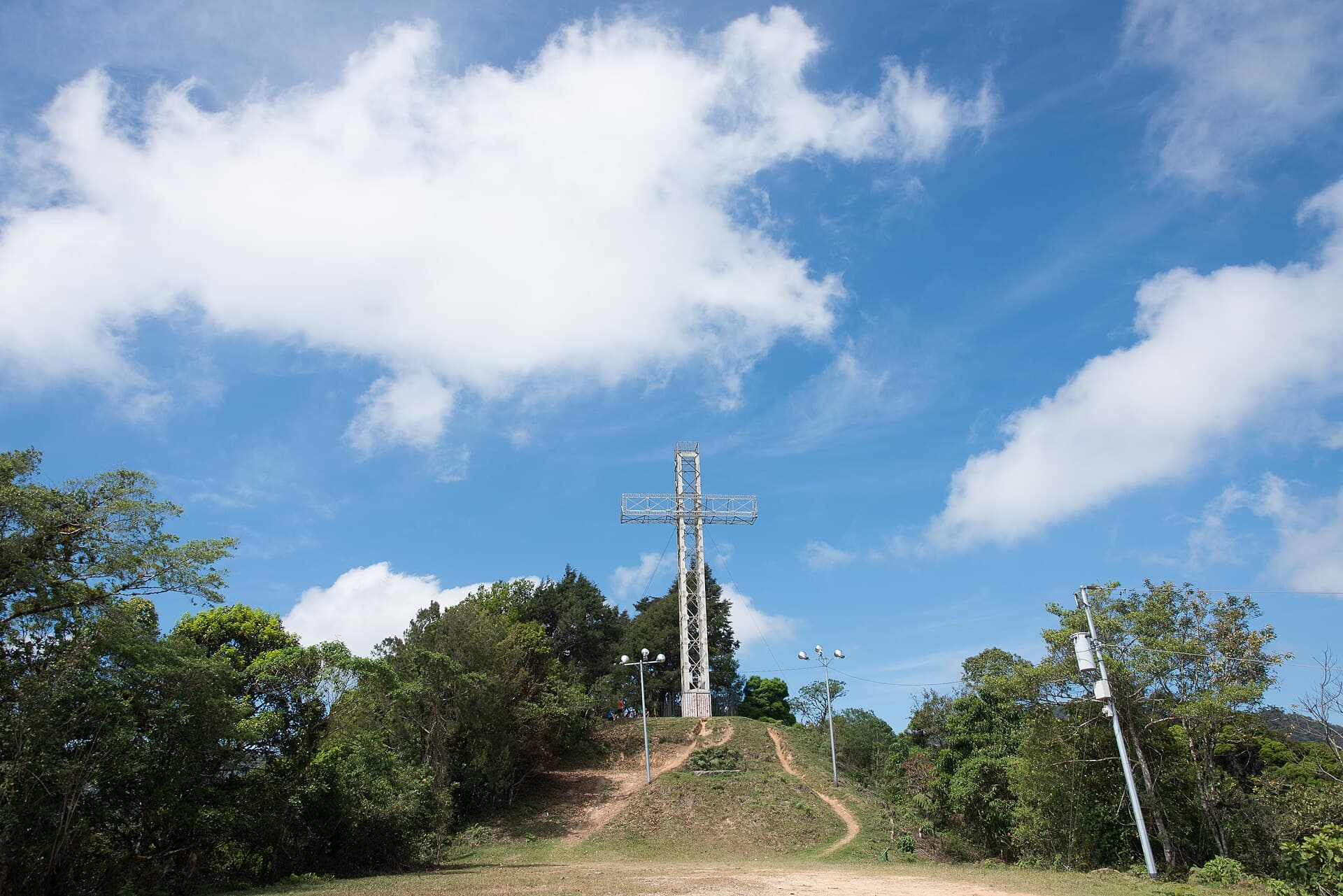
A 26-metre iron cross on Cerro San Miguel, built by hand between 1932 and 1934 by men from Alajuelita, Desamparados and Escazú who carried the beams up the hill for the 1934 Jubilee. Hiking up to it is a rite of passage, and since 1984 it lights up the whole valley at night.
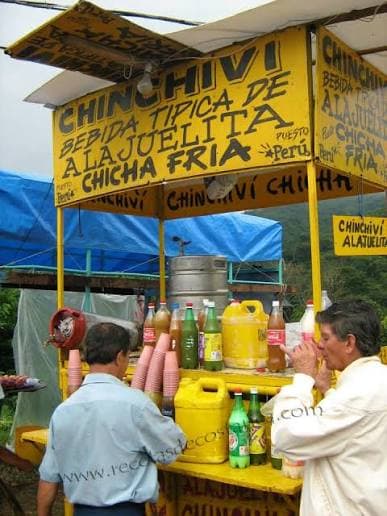
The canton is known for its home-made chinchiví (a fizzy, foamy ginger drink that takes two months to brew) and chicha, sold by the barrel at the January festivities by families who have kept the recipe for decades.
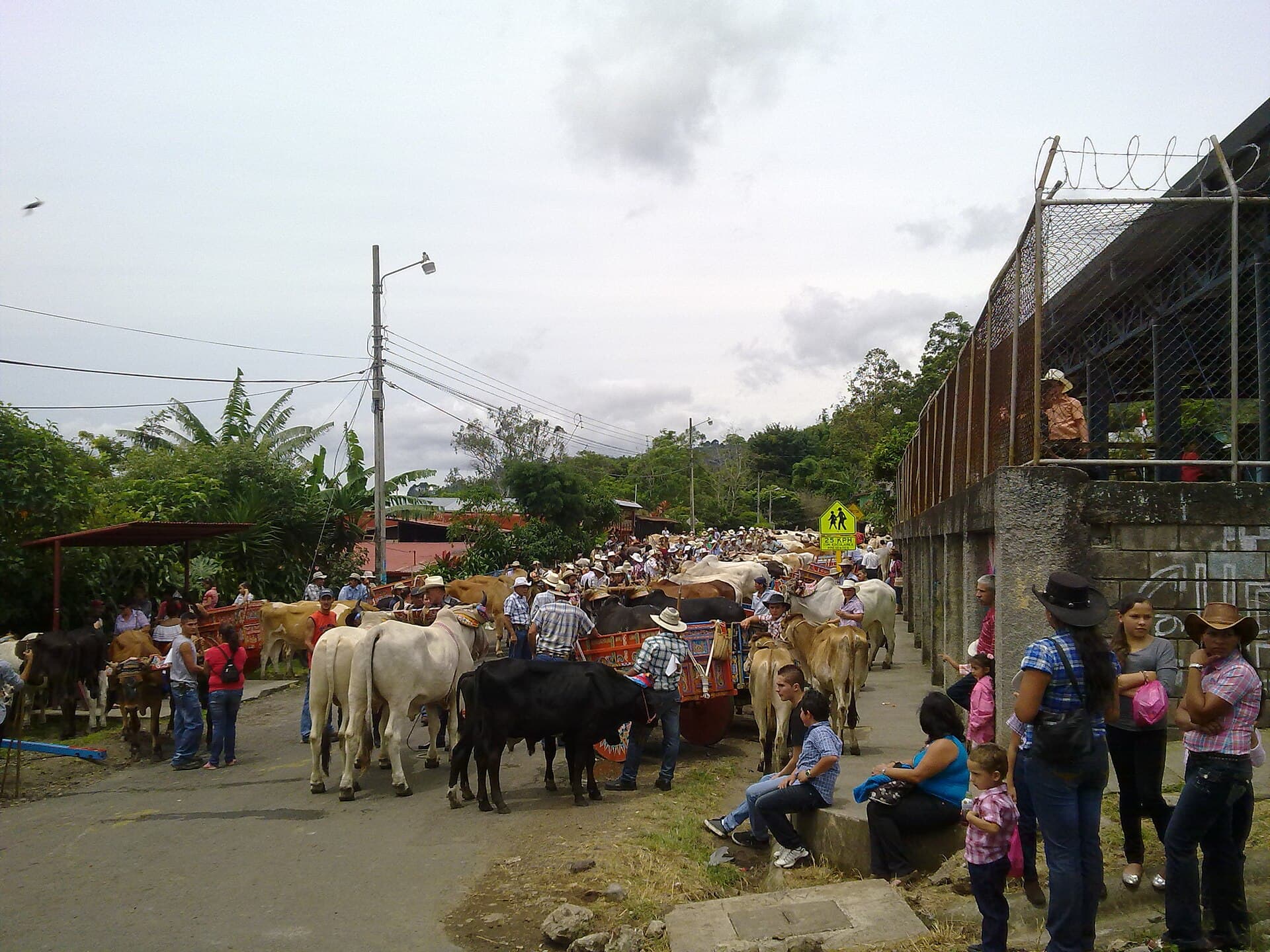
The patron festivities close with a baile del chinchiví, a horse tope and an oxcart parade: painted carretas pulled by oxen roll through the centre while masquerades, carousels and street food fill the park.
A few people who grew up in the canton and made it far.

Bryan Ruiz
Footballer
Born in San Felipe de Alajuelita. Captain of Costa Rica at the 2014 World Cup quarter-finals with 145 caps; played for Twente, Fulham, PSV and Sporting CP.
Source: Wikipedia
Yendrick Ruiz
Footballer
Born in Alajuelita. Herediano's all-time top scorer, three-time top scorer of Costa Rica's first division and MVP of the 2018 Liga Concacaf.
Source: Wikipedia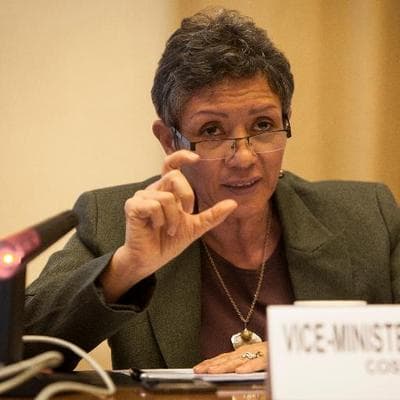
Carmen Muñoz Quesada
Legislator & vice-minister
Born in Alajuelita. Member of the Legislative Assembly (2010–2014) and vice-minister of the Interior and Police (2014–2018); the first openly lesbian Costa Rican to hold such office.
Source: Wikipedia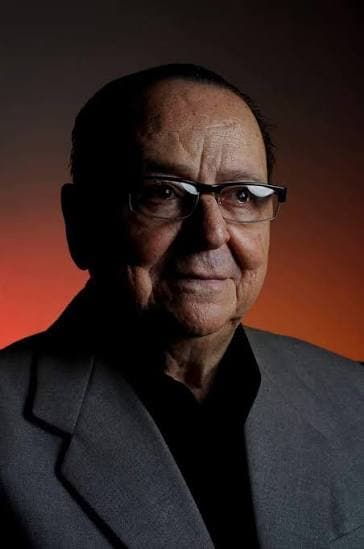
Otto Vargas Rojas
Musician & composer
Saxophonist, composer and leader of La Fabulosa de Otto Vargas, perhaps the biggest dance orchestra Costa Rica has had; author of boleros that became part of the popular songbook.
Source: La Nación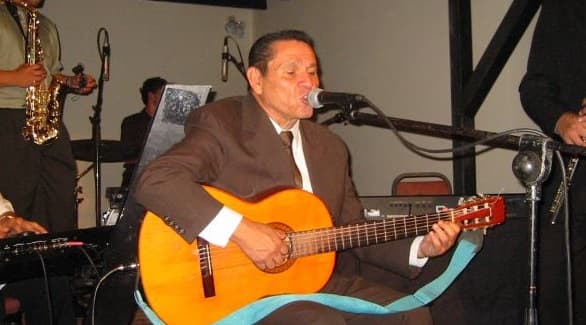
Lalo Rojas
Singer & guitarist
Gerardo “Lalo” Rojas Solano, voice and guitar of trios such as Los Universitarios, Los Josefinos and Los Millonarios since the 1960s; today he directs the Rondalla de Alajuelita.
Source: La Nación